
Why an enabling environment is key to bridging Africa’s electricity metering gap
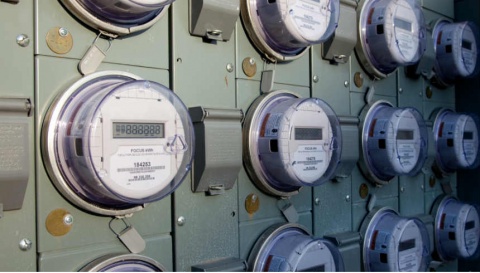
Africa’s energy potential is underdeveloped, with close to 600 million Africans lacking access to electricity. Behind the endless stream of bleak insights associated with the continent’s electricity are some long-running systemic failures, one of which relates to metering.
Accurate energy consumption billing underpins the sustainability, financial viability and performance of the electricity sector in Africa. The most accurate way to bill and pay for energy supply is to have it appropriately metered. Otherwise, the whole supply chain is compromised.
Investing in metering infrastructure
Africa’s power sector requires investments of US$ 70 billion per year on average between now and 2030. Investment in Africa’s electricity metering is projected to amount to $8 billion by 2026, constituting 11% of total investments. This is low considering that up to 50% of the utilities turnover is severely affected by poor billing and collections, high transmission and distribution losses, and tariffs below cost-recovery levels.
Unmetered electricity constitutes a loss for the energy sector in Africa. Reports estimate that Africa loses US$8.2 billion annually through power-sector inefficiencies due to poor cost-recovery, electricity underpricing, distribution losses and other factors. Left unchecked, the continent’s metering gap could even triple considering electricity demand in Africa is projected to triple by 2030.
Factors behind Africa’s metering gap
It is important to understand the four dimensions that underscore the region’s metering gap.
First, there is a legal and regulatory gap in metering framework of countries. This weakens the operational procedures of utilities. Secondly, there is a commercial and monetary gap due to estimated billing, fraudulent consumption and billing errors. The third issue is about a supply gap, mostly at the level of the generation, transmission and distribution. The energy consumed by ancillary installations of plants and substations generally go unmetered, allowing for non-payment by utilities. Last and not the least, there is a technological gap. This is due to discrepancy between the most up-to-date metering infrastructure and ageing equipment. Often, the malfunctioning of these equipment results in revenue losses.
Current frameworks generally deploy outdated metering technologies and models. In such models, the Distribution System Operator (DSO) also manages the commercial aspects of the operations, which includes all the metering related operations.
We are experiencing a wave of new technologies in the energy sector that require DSOs to evolve their operating framework for optimum deployment. However, we need to incentivize DSOs that are keen on deploying innovative metering approaches aimed at bridging the metering gap.
Creating an enabling environment
To leverage investment in the metering infrastructure in Africa, we need to invest in creating an enabling environment for the uptake of those technologies. These enabling environments encompass provision of general incentives, implementation of schemes and mechanism for private sector involvement, and expanding consumers’ awareness.
The good news is that Development Finance Institutions (DFIs) are sharpening the focus on metering issues in Africa. This has resulted into a number of interventions in different countries. In Cape Verde, there are programs tackling specific issues of the metering industry, ranging from the regulations to technical specificities of metering infrastructure through the Electricity Transmission and Distribution Network Development Project. This is financed by the Japan International Cooperation Agency (JICA).
In Cameroon, through the ‘Projet de Renforcement et d'Extension des Réseaux Electriques de Transport et de Distribution’, the African Development Bank and JICA have financed the expansion of distribution networks in eight regions. As part of Nigeria’s Power Sector Recovery Plan (“PSRP”), the Bank is addressing governance and policy issues, of which metering is a key aspect.
The African Development Bank, through the New Deal on Energy for Africa, has ramped up efforts in implementing smart metering in Africa’s electricity sector. This is key to achieving universal access to electricity by 2025.
African countries must establish the enabling environment to make smart metering implementation work. They need to reinforce their legal, economic and technological policies needed to attract further investments and mitigate inefficiencies associated with poor cost-recovery, the underpricing of electricity, and distribution losses.
By: Francine Kyrene Mbock, Young Professional, at the African Development Bank
Photo credit: ESI Africa
Add New Comment