
Under Construction
LIST OF DEVELOPERS
NEWS
African Development Bank Group supports strengthening of power system planning in East Africa
CategoryPress Releases
CountryRwanda
TagsRegulatory and Governance
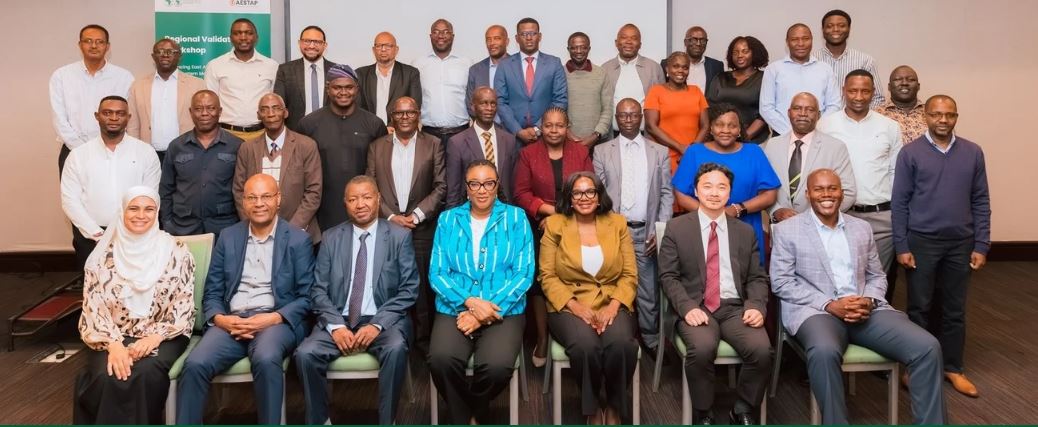
Countries across East Africa have taken an important step towards improving the joint planning and sharing of electricity across the region, following a two-day workshop on the Eastern Africa Power Pool (EAPP) Regional Power System Master Plan (RPSMP), held in Kigali, Rwanda, from 29 to 30 September 2026.
The workshop was organised by the African Development Bank Group in collaboration with the EAPP General Secretariat, with financing from the Sustainable Energy Fund for Africa (SEFA) through its Africa Energy Sector Technical Assistance Programme (AESTAP). It supports the ongoing update of the master plan, which the Bank is undertaking with the African Union Development Agency–New Partnership for Africa’s Development (AUDA-NEPAD) under AESTAP’s regional integration and power market development pillar.
The EAPP regional master plan provides a long-term framework to help countries assess future electricity needs, available generation capacity and the transmission infrastructure required to connect power systems across the region. Developing this shared planning framework requires reliable data and a common understanding of the region’s evolving power needs.
The workshop convened representatives from the power utilities of the 16 EAPP member countries, the African Union Commission (AUC), AUDA-NEPAD, and Energy Market and Rates Consultants (EMRC), a management consulting firm supporting the review.
Participants reviewed electricity demand forecasts, existing and planned generation capacity, as well as the transmission networks connecting countries across the region. They also assessed the quality and completeness of existing data and identified gaps requiring further attention.
The workshop also strengthened the capacity of national experts in electricity demand forecasting, helping countries improve the quality of their inputs to the master plan and supporting more coordinated, evidence-based regional energy planning. Working together through the implementation of the revised master plan, countries can improve the quality of information, strengthen technical capacity and make better decisions about where and how to invest in electricity infrastructure for regional power trade.