
Under Construction
LIST OF DEVELOPERS
NEWS
South Africa Prequalifies Global Consortia For Its First Independent Power Transmission Project
CategoryStories
CountrySouth Africa
TagsEnergy Access
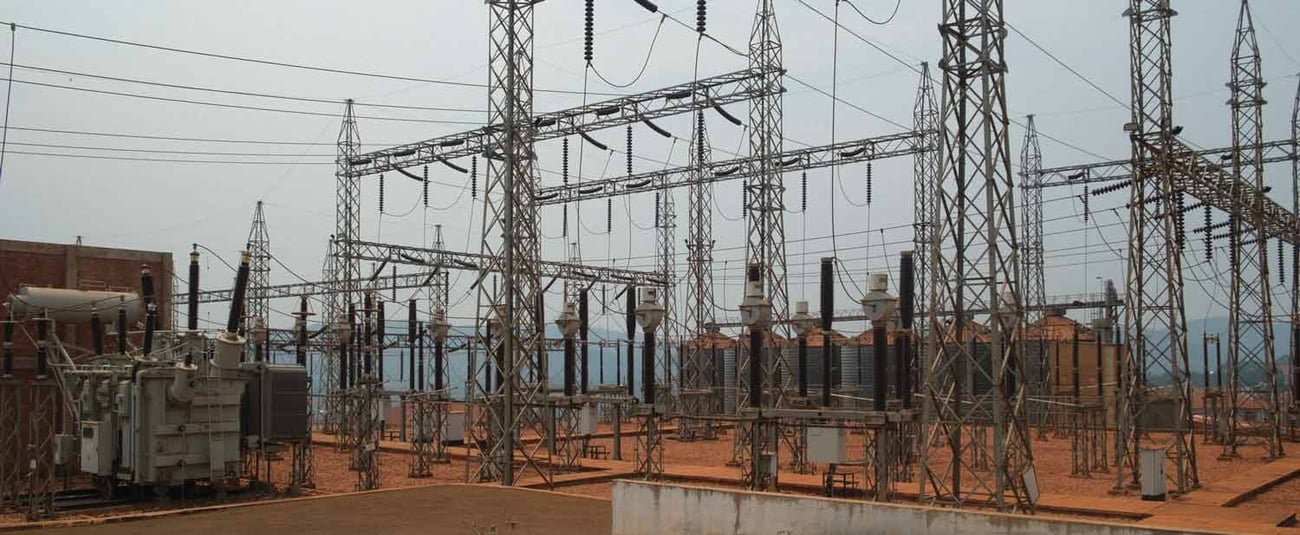
South Africa is taking a major step toward changing its power sector as the government has prequalified seven international-led consortia to bid for the country’s first-ever independent transmission project. This move marks a historic shift for a sector that has long been controlled only by the state-owned utility Eskom. The project is expected to be worth around $1 billion and is aimed at upgrading and expanding the country’s ageing electricity grid, which has faced years of congestion, breakdowns, and regular power cuts.
The Department of Electricity and Energy selected the seven groups from a total of 17 companies and consortia that showed interest during the prequalification stage launched in mid-2025. The shortlisted bidders are led by large global players with strong experience in high-voltage transmission infrastructure. Among them is the Adani Power Middle East–Momentous Energy Consortium from the UAE. Other prequalified groups include Spain’s AREF Cobra Transmission and Consortium Pulse Infrastructure, the State Grid Consortium from China, the EITP Consortium, the French-led Hyperion Consortium involving EDF, and the Transmission Africa Consortium led by China Southern Power Grid.
The planned program will involve the financing, construction, operation, and maintenance of about 1,164 kilometers of new transmission lines along with related substations. These assets will be developed across seven important transmission corridors in different parts of South Africa. The goal is to strengthen the grid so that it can carry more electricity and connect new renewable energy projects, especially wind and solar plants, that are currently unable to feed power into the system because of grid limits.
By opening the transmission sector to private investment, the government hopes to speed up the delivery of critical infrastructure. Eskom alone has struggled to build new lines fast enough, mainly due to financial pressure and operational challenges. Allowing private companies to invest in and manage parts of the grid is seen as a practical way to reduce delays and support the country’s energy transition.