
Under Construction
LIST OF DEVELOPERS
NEWS
Nigeria Plans to End Electricity Subsidies in 2027
CategoryStories
CountryNigeria
TagsEnergy Access
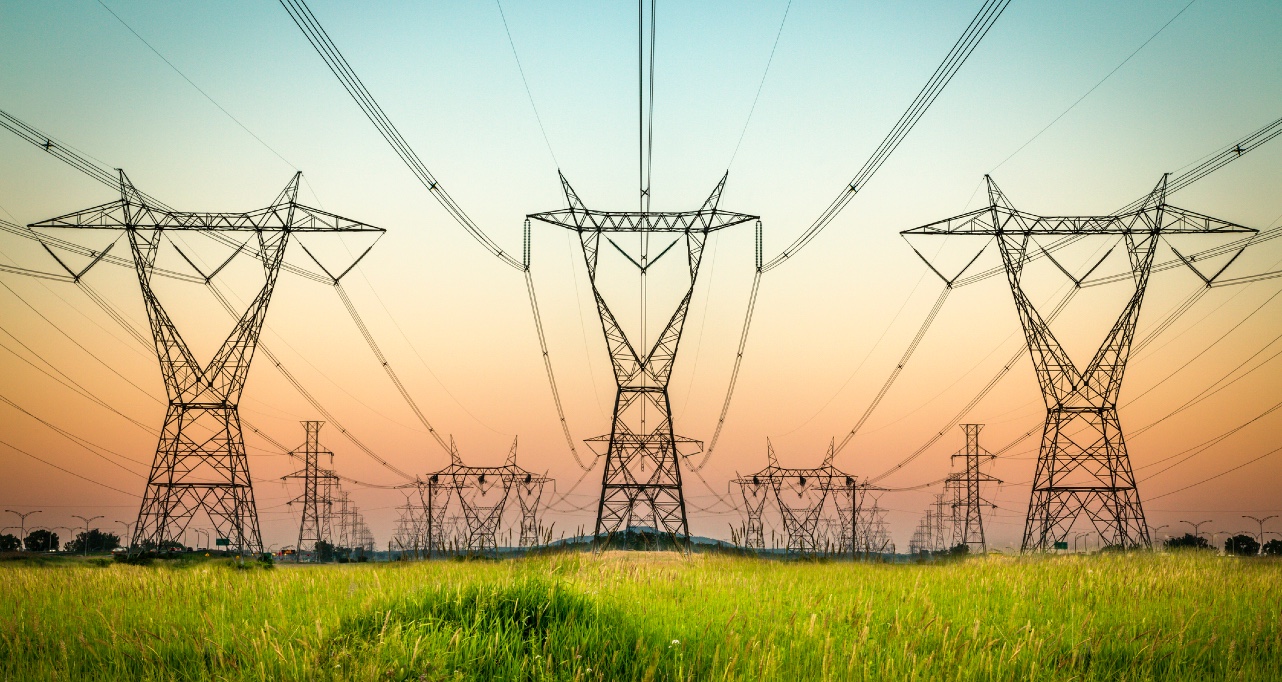
Nigeria plans to end electricity subsidies from 2027, setting up a major test for a power sector that has struggled with debt, weak investment and unreliable supply.
The Honourable Minister of Power, Joseph Tegbe, announced the plan during a media session. He said the government would phase out the subsidy while working to improve the electricity supply. “I promise you, next year, by God’s grace, we will put a stop to this so-called subsidy in the power sector,” Tegbe said.
The proposed exit comes as the government works to clear debts owed to power generation companies. It also follows wider reforms to fuel pricing, foreign exchange and public finances. However, removing the subsidy creates a difficult question: how can the government reduce its fiscal burden without pushing electricity costs beyond the reach of households and businesses?
Electricity subsidies have become a major cost for the Federal Government. NERC data shows that the government spent ₦418.79 billion on electricity subsidies in the fourth quarter of 2025. The amount covered more than half of the generation invoices. The government spent another ₦358.32 billion in the first quarter of 2026. This came despite lower electricity demand from distribution companies.
At the same time, generation companies continue to face large unpaid bills. The Association of Power Generation Companies puts the debt at about N6.5 trillion.
GenCos receive only about 35 per cent of their monthly invoices, according to the association. A typical ₦280 billion monthly bill, therefore, leaves about N200 billion unpaid.
That shortfall has created a cycle of debt across the sector. GenCos struggle to pay gas suppliers and maintain plants. Lower generation, in turn, affects electricity supply and the revenues of distribution companies.
The Federal Government has responded by launching a ₦4 trillion bond programme to settle verified liabilities. It issued an initial ₦501 billion tranche in January and another ₦729 billion in July. Still, clearing old debts will not solve the problem on its own. Without changes to the market, fresh arrears could build up again.
The government sees the removal of subsidies as necessary to create a commercially sustainable electricity market. The IMF has also supported subsidy reform, arguing that governments can use public funds more effectively through targeted support rather than broad consumption subsidies. However, Nigeria is entering this phase under difficult economic conditions. Inflation remains high, while households and businesses continue to face rising food and transport costs.