
Under Construction
LIST OF DEVELOPERS
NEWS
Namibia: Electricity board cuts annual tariff for now
CategoryPress Releases
TagsElectricity tariffs, Electricity utilities, Energy Access
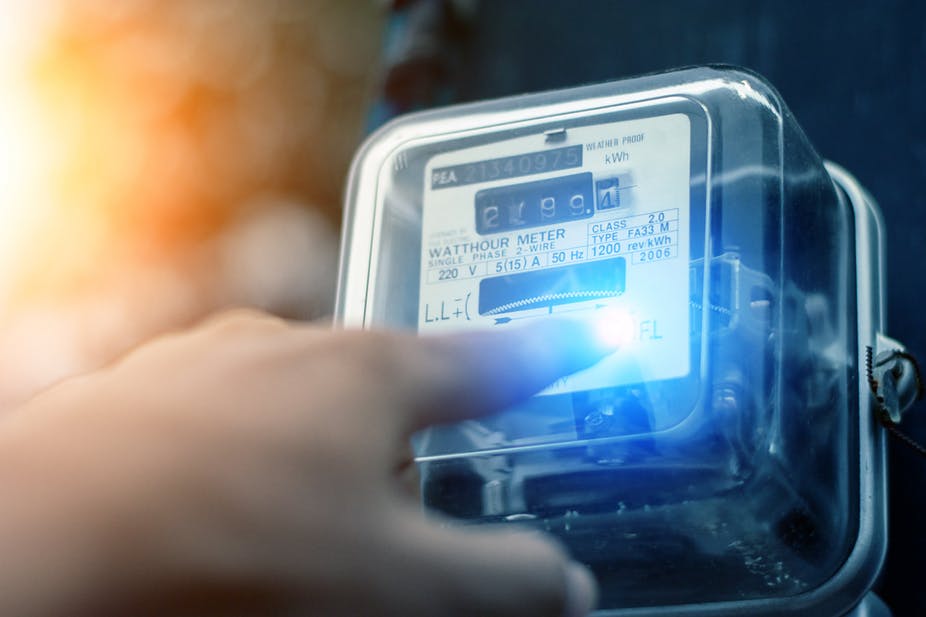
Electricity Control Board (ECB) has given the national power distributor the nod to reduce this year's electricity tariff.
"The ECB has approved a 2,5% tariff decrease, translating into an effective bulk tariff decrease from N$1,69 to N$1,65 per kilowatt-hour," chief executive officer, Foibe Namene said.
Namene revealed the above on Thursday in the capital, saying the tariff adjustment will be effected on 1 July 2019.
NamPower as a national power provider applies for tariffs adjustments annually, factoring in inflation and distributions costs. These applications are either approved or rejected, which is then is further factored into the tariffs distributors at all levels charge.
The tariffs have been increasing for over a decade.
According to Namene, NamPower initially wanted a 3,11% decrease, from N$1,69 to N$1,64 per kilowatt-hour; however, only a 2,5% decrease was approved.
She said this was because the national power distributor (NamPower) had not factored in the continued supply of electricity in its asking price reduction.
Namene said the decrease was approved because Namibia's ability to import affordable of electricity has normalised for now.
She added that the 2,5% tariff decrease will enable NamPower to recover its allowed operating costs and ultimately fulfill its financial obligations, including payments to the local Independent Power Producers.
Future Outlook
The ECB said the tariff is expected to increase and they are not sure whether end users would benefit from the approved decrease.
"It is envisaged that the bulk tariff will increase with an average of 5% for the next five years, more or less in line with inflation" the CEO said.
She further said, considering the approved bulk tariff decrease, inflation related impact and adjustments on costs of distributors to provide electricity to end-users, "it is projected that end consumer tariffs should on average remain as they are."