
Under Construction
LIST OF DEVELOPERS
NEWS
Has this prediction transpired in the last three months?
CategoryPublications
TagsFinance and Investment, Regulatory and Governance, Renewable Energy, Rural Electrification
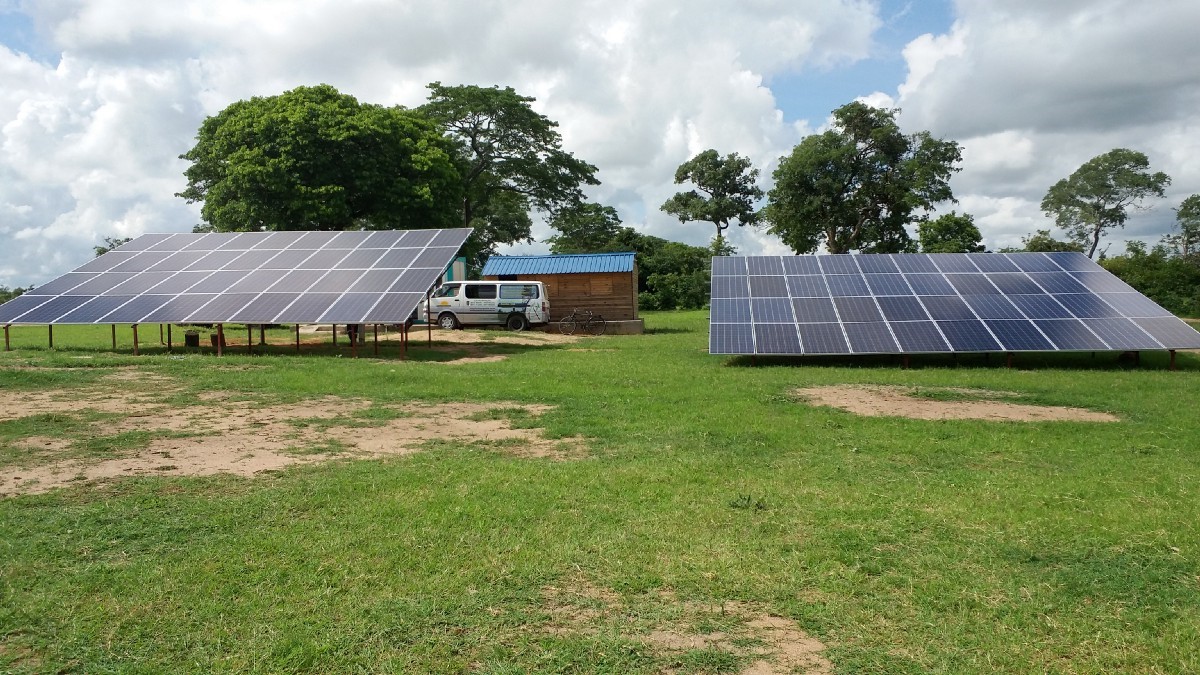
A SEforALL report issued at the end of March examined the role of subsidies for end-users. The goal being to further the reach of minigrid and off-grid initiatives.
Looking at end-user subsidy programmes in Ghana, Uganda and Togo, the report assessed the development and implementation of end-user subsidies specifically for solar home systems.
Solar home systems are a robust solution for the success of off-grid and minigrid initiatives. However, according to SEforALL, the affordability of these projects’ electricity fees is, in many cases, unaffordable.
This tariff plays a role in determining whether households gain and, just as importantly, maintain their access to electricity. This is where subsidies come into play.
In the Ghanaian case study, the Ghana Energy Development Access Project launched the Improving Rural Energy Access through Solar Home Systems programme in 2010. SEforALL states that the programme is widely seen as a success.
This positive pronouncement is likely the result of accurately calculating the subsidy thresholds for the country’s different regions and targeting those populations that needed the subsidy the most, explains SEforALL.
Another strong driver for the programme’s success is the involvement of third parties. While a good strategy saw inclusion of the Association of Ghana Solar Industries and rural banks.
With consumer affordability estimates on hand, companies can determine which markets to enter. They will also have information on hand to address the required concessionality to crowd in investment for an initiative from the private sector. While also planning which subsidy thresholds for technology would lead to increased uptake.
The minigrid development battle continues
Meanwhile, the African Solar Industry Association (AFSIA) Annual Solar Outlook 2022, published in January, expects minigrids will build a pool of electricity access in villages. However, the association draws attention to enabling C&I activity through productive use of energy initiatives.
The downside is that minigrid stakeholders are still battling to reach economies of scale and undisputable commercial viability. The obstacles to these goals are high CAPEX and inadequate policy.
However, the AFSIA report gives credit to solar home system providers who explore ingenuity as they develop better, cheaper and more diversified solutions. According to this report, minigrids are a unique form of solar capacity not found in the developed world but where Africa excels.
Also, World Bank data suggests that Africa has the world’s largest share of planned minigrids, with more than 4,000 in the works. Between that titbit of data, and these two reports for Q1 that examine the minigrid and off-grid market in some form or fashion—it is, therefore, a tick for this prediction. ESI