
Under Construction
LIST OF DEVELOPERS
NEWS
Ghana advances Mission 300 reforms as US$4.4 billion energy investment pipeline gains momentum
CategoryPress Releases
CountryGhana
TagsEnergy Access
Ghana is on track to complete 13 of 16 priority reforms under its National Energy Compact, building momentum to mobilise a US$4.4 billion energy investment pipeline and expand electricity access from 89.1% today to 99% by 2030.
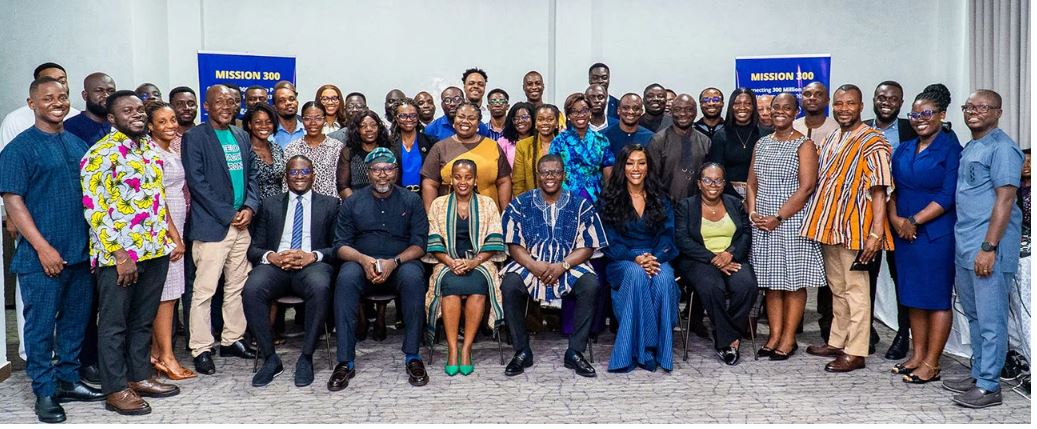
A two-day Compact Implementation Support Workshop brought together more than 70 representatives of government, development finance institutions, the private sector and civil society in Accra on 22-23 July to review progress and agree on actions to accelerate delivery of Ghana's National Energy Compact under Mission 300.
Led by the African Development Bank and the World Bank Group, Mission 300 aims to connect an additional 300 million people across African to electricity by 2030.
The workshop was facilitated by Sustainable Energy for All (SEforALL) and supported by the African Development Bank's Africa Energy Sector Technical Assistance Program (AESTAP). Participants validated a Ghana-owned roadmap to accelerate reforms, mobilise investment and expand electricity access.
During its first year of implementation, Ghana has completed eight mini-grids with 35 more under construction and continues to expand regional electricity trade through the West African Power Pool. The country has also completed around 60% of Compact actions and remains on track to deliver 13 of its 16 priority reforms. The remaining reforms face administrative and financing-related delays, including parliamentary approvals, budget allocations and procurement processes, which the Government has committed to address.
Ghana’s electrification pathway combines grid intensification, mini-grid deployment, solar home systems, distributed renewable energy and targeted last-mile electrification investments across underserved communities.
Participants reviewed a US$4.4 billion pipeline of energy investments, of which US$2.6 billion is expected from the private sector. The pipeline includes the Last-Mile Rural Electrification Programme, regional interconnections with Côte d'Ivoire, Mali and Burkina Faso, major transmission upgrades, utility-scale solar development, mini-grids, and distributed renewable energy and clean cooking initiatives.
The Ministry of Finance and the Ministry of Energy and Green Transition will continue engagement on counterpart funding and parliamentary approvals. The Energy Sector Working Group has been reconstituted under revised terms of reference and implementing agencies have committed to regular reporting to the Compact Delivery and Monitoring Unit. Development partners, civil society organisations and private sector representatives reaffirmed their support for implementation.
The Ghana Compact Implementation Support Document will now be finalised with stakeholder input; priority actions will be assigned to responsible institutions with timelines and escalation procedures. The project pipeline will be refined for investor engagement, and technical assistance priorities will be incorporated into the Mission 300 support programme.