
Under Construction
LIST OF DEVELOPERS
NEWS
Coronavirus crisis threatens to cut off clean electricity lifeline for poor
CategoryStories
TagsEnergy Access, Renewable Energy
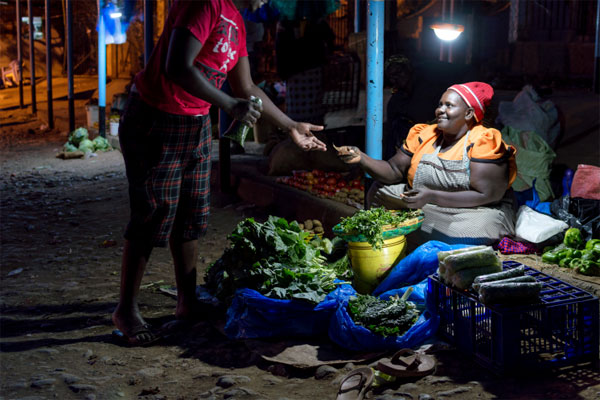
Off-grid electricity providers fear customers who lose jobs due to the COVID-19 pandemic will be unable to make payments, while broader financing dries up.
Companies that provide clean off-grid electricity to the poor in developing nations are searching for ways to stay afloat - and keep life-saving power on - through the coronavirus pandemic, as the economic fallout from the crisis empties customers' pockets.
The nascent industry fears being starved of new capital as investors shun risk amid an expected recession - a crunch that could force weak firms out of business and scupper progress on a global goal to provide modern energy to everyone by 2030.
In a survey by international organisation Sustainable Energy for All (SEforALL), 80 businesses running mini-grids and selling solar home systems in Africa and Asia said they expected to lose on average 27%-40% of their revenues in the coming months due to COVID-19 impacts.
"We could be in the situation in six months' time where we have no off-grid companies to be talking about," said SEforALL CEO Damilola Ogunbiyi.
"We cannot start from ground zero again... we cannot let that happen," she told the Thomson Reuters Foundation.
Many such companies, operating in Africa and Asia, rely on small daily or weekly payments from poor consumers who use mobile money on their phones to buy solar power from mini-grids or cover instalments on loans for home solar systems.
But economists are warning that shutdowns to limit the spread of the novel coronavirus pose a major threat to the livelihoods of street vendors, farm labourers, construction workers and others with insecure employment.
Job losses could put regular payments for electricity or cooking gas out of reach, said Mansoor Hamayun, CEO of BBOXX, which provides solar power to more than 1 million people.
"We don't want to switch off customers that suddenly have a week or one month of lack of income," said Hamayun, whose business operates off-grid solar systems in 12 countries, including Kenya, Rwanda, the Democratic Republic of Congo and Togo.
Company officials are now thinking through ways to help provide clients with electricity to meet their basic needs, such as offering five hours per day free and charging only for use on top of that.
For now, of the places it operates, only Rwanda has imposed a strict lockdown. BBOXX is running some of its call centres remotely but it will be unable to ramp up a new gas-based clean cooking service in Kigali this year as planned, Hamayun said.
The firm has not yet had to lay off staff based in Africa, he added, but cuts at its UK headquarters were unavoidable as new product development and innovation were put on hold.
As a relatively large player in an emerging sector, BBOXX is well-capitalised, Hamayun said, but it would need to spend quite a bit of that money on running its operations instead of growing, as raising cash from new sources was impossible in today's market.
The SEforALL survey found cash positions were tight across the industry, with about 70% of off-grid companies having only enough available to cover operating expenses for two months or less.
"If the money environment doesn't loosen up... unfortunately I think the progress the sector has made in the last year or two or three could be wiped out really quickly," said Hamayun.
Companies that sell solar home systems and operate small-scale grids are seen as vital in getting electricity to the 840 million people still living without it, the vast majority in rural parts of sub-Saharan Africa and South Asia.