
Under Construction
LIST OF DEVELOPERS
NEWS
The Case for Battery Energy Storage Systems (BESS) in Nigeria
CategoryStories
CountryNigeria
TagsRenewable Energy
Nigeria faces a persistent electricity challenge despite having one of Africa’s largest energy markets. More than 80 million Nigerians still lack reliable access to electricity, while businesses and households spend billions of naira annually on diesel- and petrol-powered generators. Although installed generation capacity exceeds 13 GW, available generation is often between 4 GW and 6 GW due to gas constraints, transmission limitations, and infrastructure challenges.
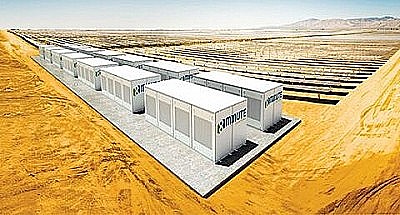
Battery Energy Storage Systems (BESS) are increasingly being deployed globally to improve grid reliability, support renewable energy integration and expand electricity access. This paper examines whether BESS is a recommendation Nigeria should pursue now. The conclusion is that BESS should not be viewed as a standalone solution to Nigeria’s energy crisis. However, when combined with solar power, mini-grids, transmission upgrades, and market reforms, BESS can play a strategic role in improving energy access, reducing dependence on generators, and strengthening grid resilience.
Nigeria is Africa’s largest economy and one of its fastest-growing energy markets. Yet electricity supply remains inadequate for the needs of more than 220 million citizens. The country has abundant natural gas resources, strong solar potential and significant hydropower opportunities. Nevertheless, power shortages continue to affect economic growth, industrial productivity and quality of life.
The question facing policymakers, regulators, utilities, investors and development partners is no longer whether energy storage is important, but whether the time is right for large-scale deployment of BESS in Nigeria.
Nigeria’s electricity sector continues to face several structural challenges. Installed generation capacity is estimated at over 13,000 MW, but actual delivered power is often below half of that figure. Grid instability, transmission bottlenecks, gas supply constraints and financial challenges across the value chain limit performance.
Energy access remains a major concern. Tens of millions of Nigerians remain without reliable electricity access, particularly in rural communities. Even households connected to the grid frequently experience outages. As a result, Nigeria has become one of the world’s largest markets for small-scale generators.
The economic cost is significant. Businesses often spend a large share of operating costs on backup power. Small and medium-sized enterprises face reduced competitiveness, while healthcare facilities, schools and rural communities experience reduced service delivery.